

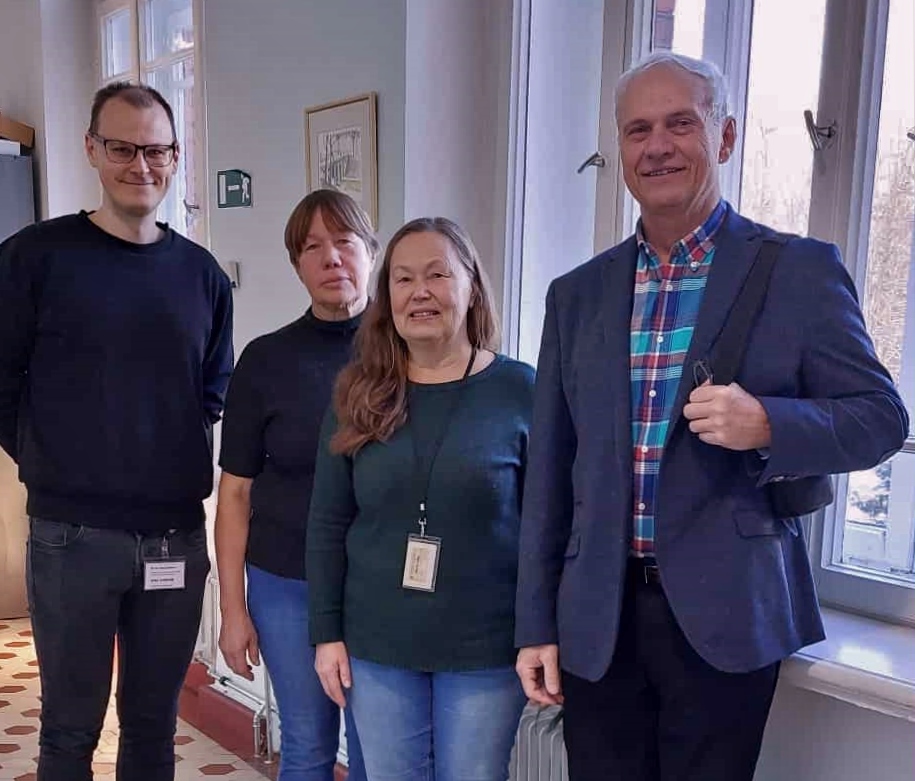
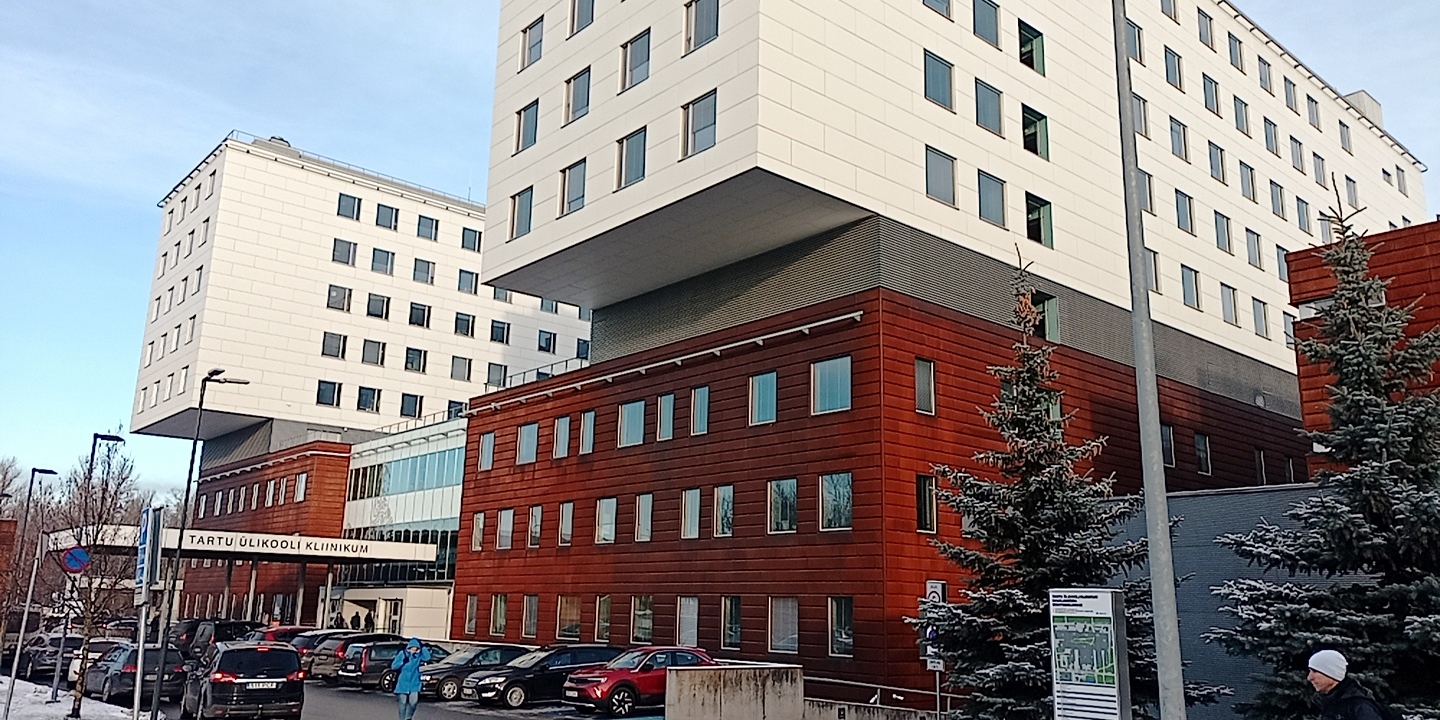
During his lecture stay, at the end of November, Associate Professor RNDr. Miroslav Šíp, DrSc., from the Institute of Laboratory Diagnostics and Public Health at the Faculty of Health and Social Sciences (FHS) of the University of South Bohemia visited several healthcare facilities in Estonia. He returned with a number of pleasant and insightful experiences, which led him to advise students to take advantage of the opportunities offered by our faculty and consider gaining experience in this country.
The main partner of our faculty in Estonia is the University of Applied Health Sciences in Tartu, located in the country’s second-largest and academically most significant city. "Estonia is often cited as an inspirational model for healthcare modernization for other countries. The healthcare system here is modern, well-organized, and the collaboration with local experts is very enriching. It is also encouraging that Estonian colleagues in the field of laboratory diagnostics have expressed interest in visiting our faculty in České Budějovice, which could significantly deepen our cooperation," explained Associate Professor Šíp.
In recent decades, Estonia has developed as a European leader in digitization, e-governance, and the application of innovations, including the use of artificial intelligence in healthcare. Estonia has built a robust digital infrastructure and an open data policy, making it a "living experimental environment" for new technologies. In practice, this means advanced electronic health records, extensive use of telemedicine, and systems supporting personalized medicine. These tools allow doctors to evaluate health data faster and more accurately, improving the quality and efficiency of care provided.
Opportunities for study stays abroad are vast for students of the Faculty of Health and Social Sciences at the University of South Bohemia, especially through the Erasmus+ program. This program allows students to attend lectures, exercises, or internships at partner institutions abroad, which are then recognized as part of their studies, including earning academic credits. However, a key factor for a beneficial experience is choosing the right foreign institution and the quality of the work environment the student will be in. Associate Professor Šíp recently verified these aspects in Estonia and can recommend them based on his own experience.
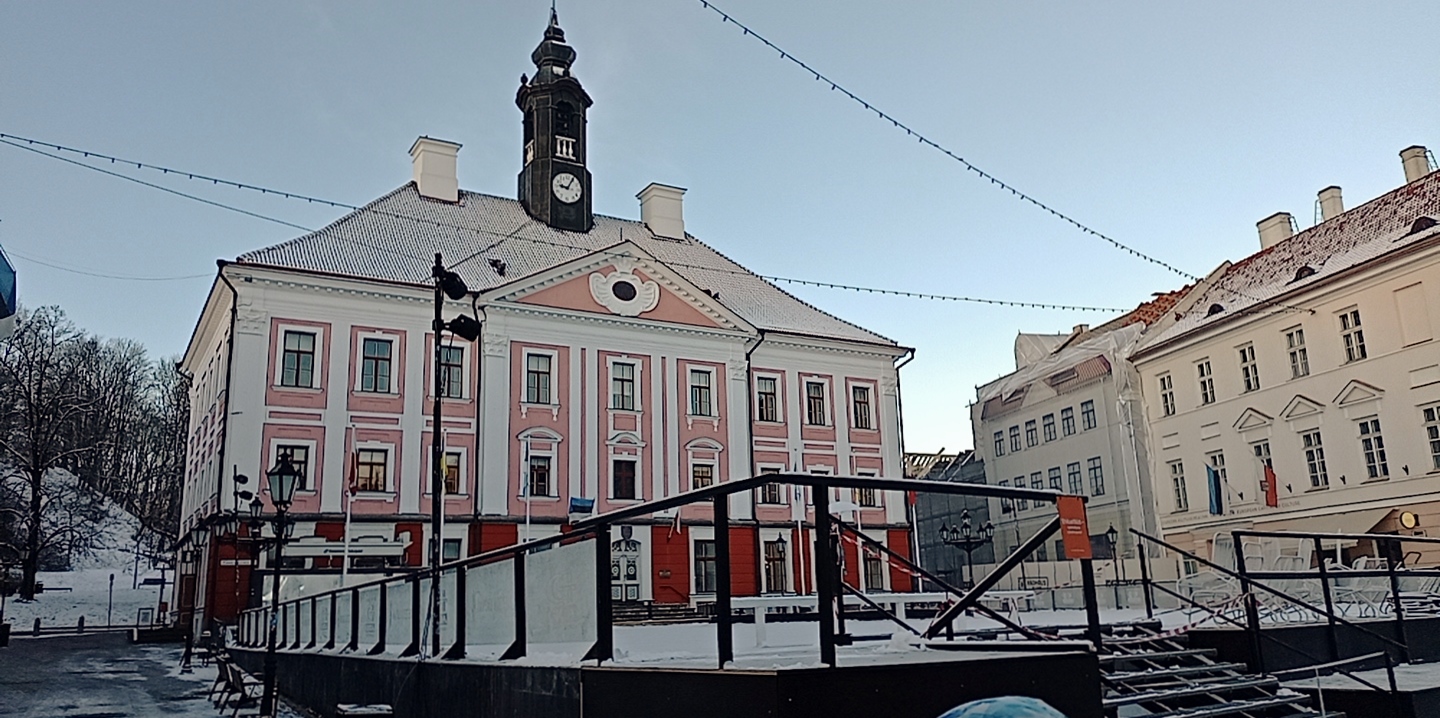
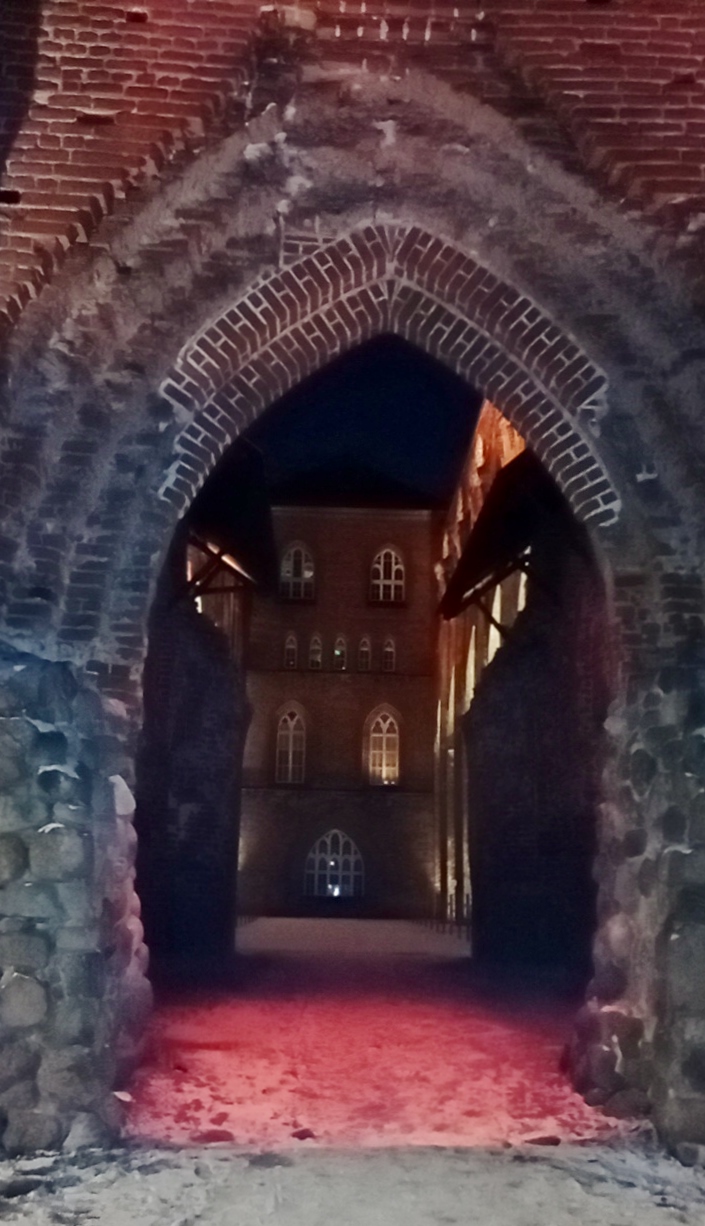
"My stay took place at the end of November, during a time of very short days and frequent fog, when sunlight is rare. I had limited opportunities for tourist experiences as the program at the university and clinical facilities was demanding," he added. He visited the city of Tartu, considered the intellectual center of Estonia, largely due to the University of Tartu, founded in 1632 by Swedish King Gustav II Adolph. It is the oldest and one of the most prestigious universities in the Baltic region, consistently ranking among the top 300 universities worldwide. The university has a strong tradition in natural sciences, medicine, digital technologies, and social sciences. The younger University of Applied Health Sciences in Tartu, established in 2003, has quickly become a key institution for training healthcare professionals. It offers degree programs in nursing, physiotherapy, laboratory diagnostics, health administration, social work, and other fields. It places a strong emphasis on combining teaching with clinical practice, allowing students to gain valuable hands-on experience directly in healthcare facilities.
OTHER INSIGHTS FROM ESTONIA:
Biobank – A Globally Unique Project
Special attention should be given to the Estonian Biobank, one of the most extensive and well-developed projects of its kind in the world. Its significance arises from the combination of genetic data with digital health records and its potential application in personalized medicine. It currently includes over 200,000 adult participants, approximately 20% of Estonia's adult population, which is a very high proportion. Each participant is included based on informed consent and can choose to participate in additional studies at any time.
The data includes:
- Genotypic information (SNP chips) for all participants,
- Whole genome sequencing (WGS) for several thousand individuals,
- Additional "omics" data – exomes, epigenetics (methylation), metabolomics, etc.,
- Linkage with electronic health registries, laboratory data, and phenotypic characteristics.
The Molecular Diagnostics Department at the Clinic of Genetics and Personalized Medicine, which Professor Šíp visited, processes over 20,000 genetic samples annually. The head of the department, Mikk Tooming, confirmed that it is one of the key laboratories in the project. The Estonian Biobank is not only a collection of genetic data but a complex, multi-layered description of a person – genome characteristics, health status, and environmental factors. This unique combination enables research with potentially groundbreaking impacts on healthcare.
What the Estonian Biobank Offers:
- Personalized medicine – more accurate diagnostics, individualized treatment, and disease prevention.
- Disease risk prediction – genetic risk scores for both common and rarer diseases.
- Pharmacogenetics – choosing medications and doses based on genetic predispositions.
- New research opportunities in epidemiology and public health.
- A valuable resource of data for scientific research and the development of therapeutic methods.
In this way, Estonians have consciously invested part of their privacy into a shared project with a clear goal – to achieve better healthcare for the entire population. The protection of personal data is held to an exceptionally high standard and is subject to constant oversight.
Estonia and Iceland: Two Genetic Research Laboratories
Estonia is often compared to Iceland in this regard, as the latter has a long tradition of genomic studies. The Icelandic population is genetically very homogeneous and has a public genealogical database dating back far in history, which facilitates research on inheritance and rare diseases. However, the Estonian Biobank offers a broader scope, as it combines genetics with extensive health and phenotypic data, making it extremely valuable not only for research on rare mutations but also for practical use in everyday medicine, pharmacogenetics, and public health.
The Estonian Language and the Czech Trace in Its History
In Estonia, the language spoken is Estonian, a Uralic language closely related to Finnish. It is quite different from Czech, and therefore nearly incomprehensible to visitors. However, the communication language in academic and professional settings is English, which both students and faculty members speak at a high level. Interestingly, there is a notable Czech trace in the early development of written Estonian. Moravian Brethren, who were in exile after the Battle of White Mountain, contributed to the preparation of the first complete Estonian Bible translation, published in 1739. This translation significantly helped standardize Estonian spelling and grammar and influenced the cultural and spiritual development of the country, much like the Kralice Bible in the Czech environment.


